



Marriage is a demanding path edenbookings.com. Across Canada, couples have found an unique yet powerful tool for connecting: joint recreational pastimes that provide mental respite from everyday stress. This write-up explores how planned breaks, which can include online entertainment including the Book of El Dorado slot, serve as a contemporary companion to standard marriage therapy. The aim isn’t to escape difficulties. Instead, it focuses on creating shared, low-pressure experiences that rebuild rapport and encourage dialogue. When spouses move away from heavy conversations into a collaborative or side-by-side enjoyable pursuit, they frequently drop their guard. They rediscover a lighthearted aspect, which builds a healthier foundation for when they return to the therapeutic work.
The Contemporary Canadian Couple’s Need for Healing Breaks
Modern life in the Great White North races by. Monetary stress, the challenge of balancing work and life, and everyday anxiety can erode even strong relationships. Therapy that zeros in on issues without pause, without respite, can cause emotional fatigue and grudges. Sustainable healing usually needs a rhythm. It requires time focused then time off. Intentional intervals from the intensity of therapy provide couples with room to integrate lessons on a deeper level. These intervals aid in calming the fight-or-flight response during disagreements. Put simply, they let people remember how to enjoy each other’s company. These pauses do not signify defeat. They constitute a tactical rest that prevents burnout and, in the long run, makes the therapeutic process more effective.
Ways that Mutual Leisure Activities Fortify Relationships
Joint leisure operates on a core psychological concept: beneficial connection. As a couple takes on a entertaining, cooperative, or mildly challenging activity jointly, their minds release chemicals including dopamine and oxytocin. They boost sensations of delight and bonding. Such a neurochemical shift can briefly interrupt old habits of negative behavior. This shift generates fresh, positive recollections connected to their partner. Among couples in Canada, the specific activity becomes minor. This might involve walking a neighborhood trail, preparing a meal, or engaging in a game. The key is that it reestablishes a awareness of togetherness. Partners practice teamwork. The partners converse in a setting where the risks are negligible. They reconnect nonverbally. These skills translate seamlessly to improved dispute handling in the partnership overall.
Unveiling the Book of El Dorado Slot as a Joint Journey
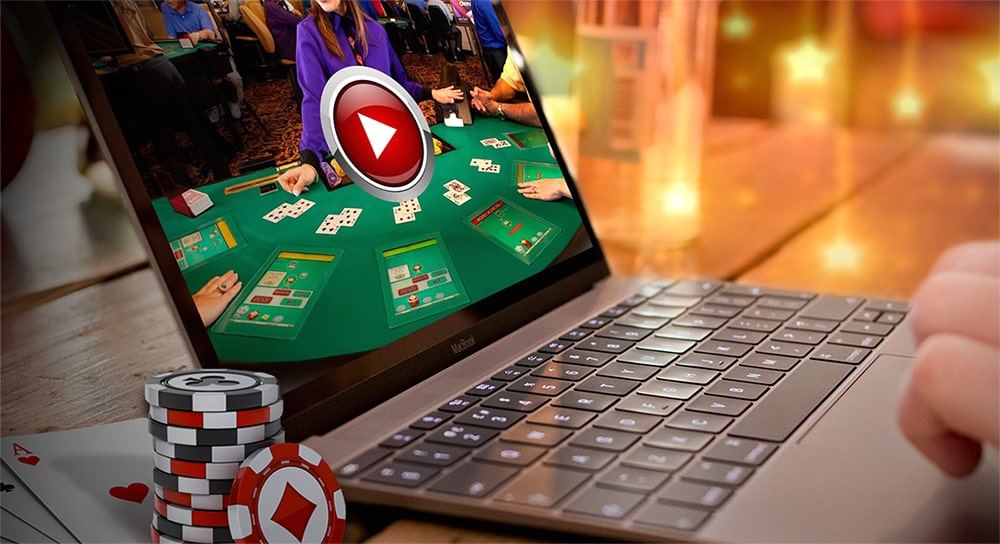
The Book of El Dorado slot machine offers a unique form of common downtime. Its concept of conquering and uncovering in a lost city offers a storytelling getaway for a pair. The gameplay are easy. They need no complicated tactics, so partners can concentrate on the shared experience rather than mastering difficult instructions. Players can alternate choosing options. They can cheer little victories together. The graphics and elements can ignite playful dialogue. This creates a mutual interest away from their own concerns. It enables organic, effortless engagement that can break the tedium of challenging emotional efforts.
Creating Healthy Boundaries for Leisure Breaks
Bringing any type of entertainment, like online slots, into a therapeutic break requires clear and healthy boundaries. This needs to be a structured, time-limited activity both partners consent to. It should not become a way to escape problems. Couples need to decide in advance on a firm time limit. They need to also set a financial limit of zero, or a very small, disposable amount treated purely as an entertainment cost. The main goal ought to always be connection and relaxation, not generating money. Clear parameters like these guarantee the activity serves as a constructive, controlled respite. They prevent it from introducing new sources of stress or conflict into the relationship.

Augmenting Counseling with Positive Dynamics
The real worth of a recreational pastime is how it reinforces clinical sessions by reinforcing positive patterns. After a consultation that might involve sensitive matters, a mutually enjoyable activity like participating in play can act as a “bond renewal.” It helps duos directly experience showing kindness, support, and playfulness with each other within a fresh setting. This assists in decoupling their spouse from the argument. It allows them to re-engage with the person they actually like. For Canadian couples engaging in counseling, these mutual uplifting moments become proof to the contrary. They confirm that happiness and comfort are still achievable between them, challenging any negative beliefs about their partnership.
Attaining Equilibrium and Understanding When to Return
One successful therapeutic break acts as short-term. It’s defined by the couple’s capacity to smoothly return to their progress. That balance is subtle. This break needs to feel invigorating without turning into a permanent distraction. Pairs profit from deciding on a clear timeframe, like one designated evening per week. Both should deliberately use this time to decompress. Acknowledging the importance to return proves essential. As communication during the break begins to feel more comfortable, or when a sense of renewed energy emerges, it frequently marks readiness to re-engage with therapy topics. That cyclical rhythm of work and play can make the entire process of marriage counseling feel even more manageable and less daunting for spouses dedicated to getting better.
Building a Sustainable Support System in Canada
Aside from scheduled pauses, Canadian couples ought to consider creating a wider system of assistance. This includes leveraging national resources like the Canadian Association for Marriage and Family Therapy (CAMFT) to find qualified therapists. It covers investigating couple-focused workshops and engaging with community groups. Adding an activity like shared gaming should be one small piece of a larger strategy. That broader strategy needs to emphasize open communication, dedicated quality time, and professional guidance. The aim is to build a resilient relationship framework. Under this model, fun and relaxation are not an afterthought. They are integral, scheduled parts of maintaining connection. This helps the couple thrive from multiple angles for the long term.
FAQ
Can using an online slot game truly serve as a healthy break for couples in therapy?
With strict boundaries, it may be. The essential part is to treat it as a shared, time-limited leisure activity focused on interaction, not gambling. The goal is to establish a low-pressure, fun experience that sparks conversation and teamwork. It functions as a mental reset from heavier therapeutic topics. This succeeds if both partners are comfortable and consent to the rules beforehand.
How do we stop a leisure break from becoming an avoidance tactic?
Transparency and scheduling are your top tools. Proactively arrange with your partner and your therapist that these breaks are a planned part of your process. Determine a specific day and a firm duration for the activity. If you observe a constant desire to extend breaks or skip therapy sessions, talk about it openly. This feeling might mean you need to adjust your therapeutic approach.
What are some other shared activities for couples in Canada?
Many great alternatives exist. Consider outdoor activities like hiking in a provincial park. You could join a couples cooking class, visit a museum, or work together on a creative project. The underlying principle holds the same. Choose an engaging activity with low potential for conflict. It should let you cooperate, communicate, and enjoy each other’s company outside your normal routine and the therapy room.
Might these principles aid couples without structured therapy?
Certainly, beyond question. Scheduling shared, positive experiences is a cornerstone of preventive relationship care for all couples. Purposefully spending quality, connecting time strengthens your bond. It enhances dialogue and can stop small issues from growing. This strategy is an effective instrument for any couple aiming to strengthen their link.
What are the best ways to find professional marriage support within Canada?
A good starting point is the Canadian Association for Marriage and Family Therapy (CAMFT) website. It provides a list of certified therapists. Numerous regional psychology boards also offer referrals. Check if your workplace has an Employee Assistance Program (EAP) that offers sessions. Local health facilities can serve as an option as well. Be sure to check that any therapist you pick holds a valid license in your province.
Fortifying a relationship in Canada gains a lot from a holistic approach. This approach blends targeted therapeutic work with intentional, restorative breaks. Pastimes like joint gaming, when managed with clear intentions and reasonable limits, can be effective tools for rebuilding rapport and happiness. Combining professional support, conscious communication, and shared leisure builds a sustainable model. It aids couples navigate challenges and rekindle bond. It secures their partnership is nurtured through both earnest commitment and playful interaction.